
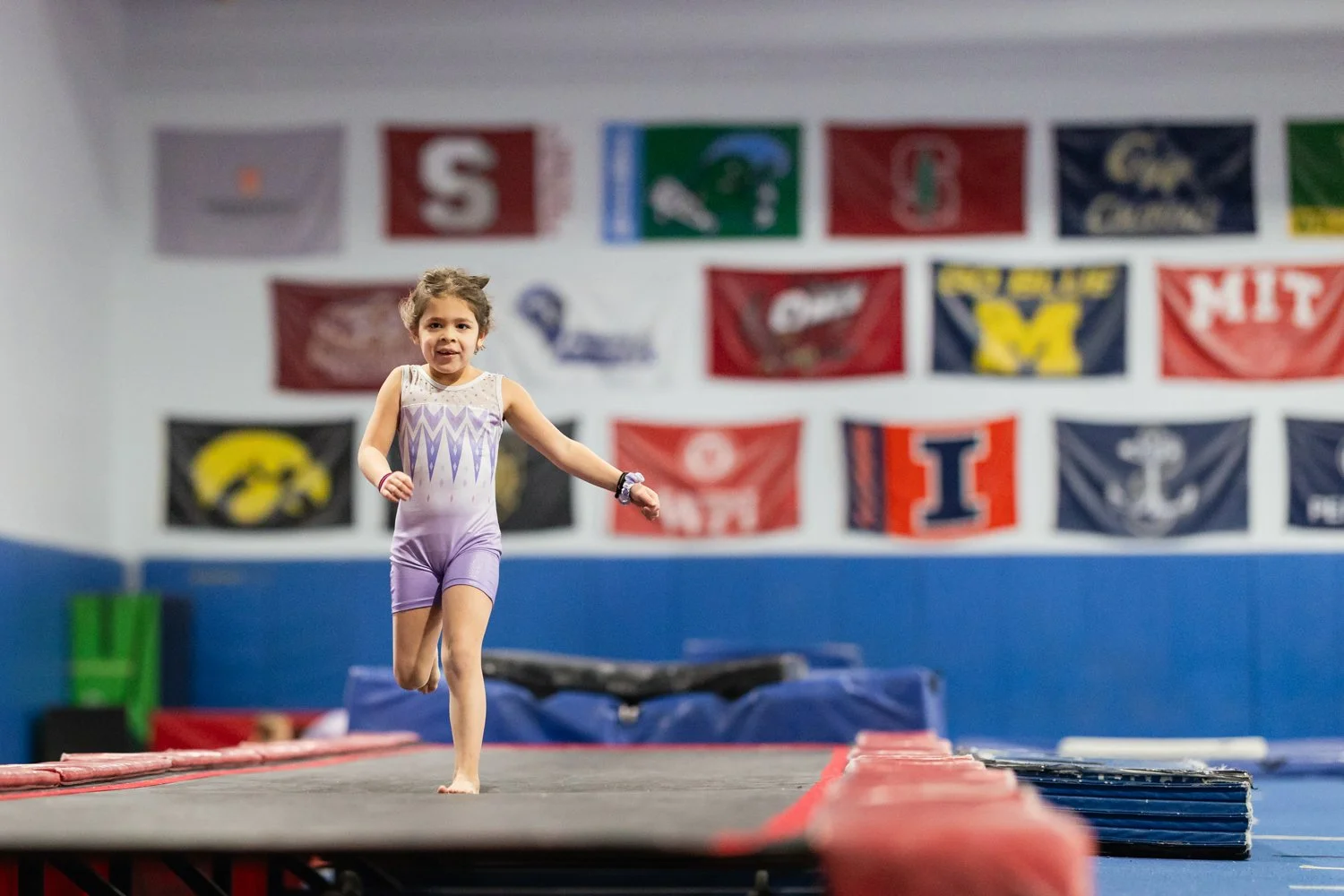
Gymnastics Builds Better Athletes
A strong foundation for coordination, strength, confidence, and movement—skills that benefit every young athlete.
Gymnastics isn’t just a sport—it’s one of the best cross-training tools for developing well-rounded athletes. From soccer and football to dance, cheer, baseball, and track, the strength and body control learned in the gym give kids a powerful advantage in any sport they choose.
A Powerful
Advantage
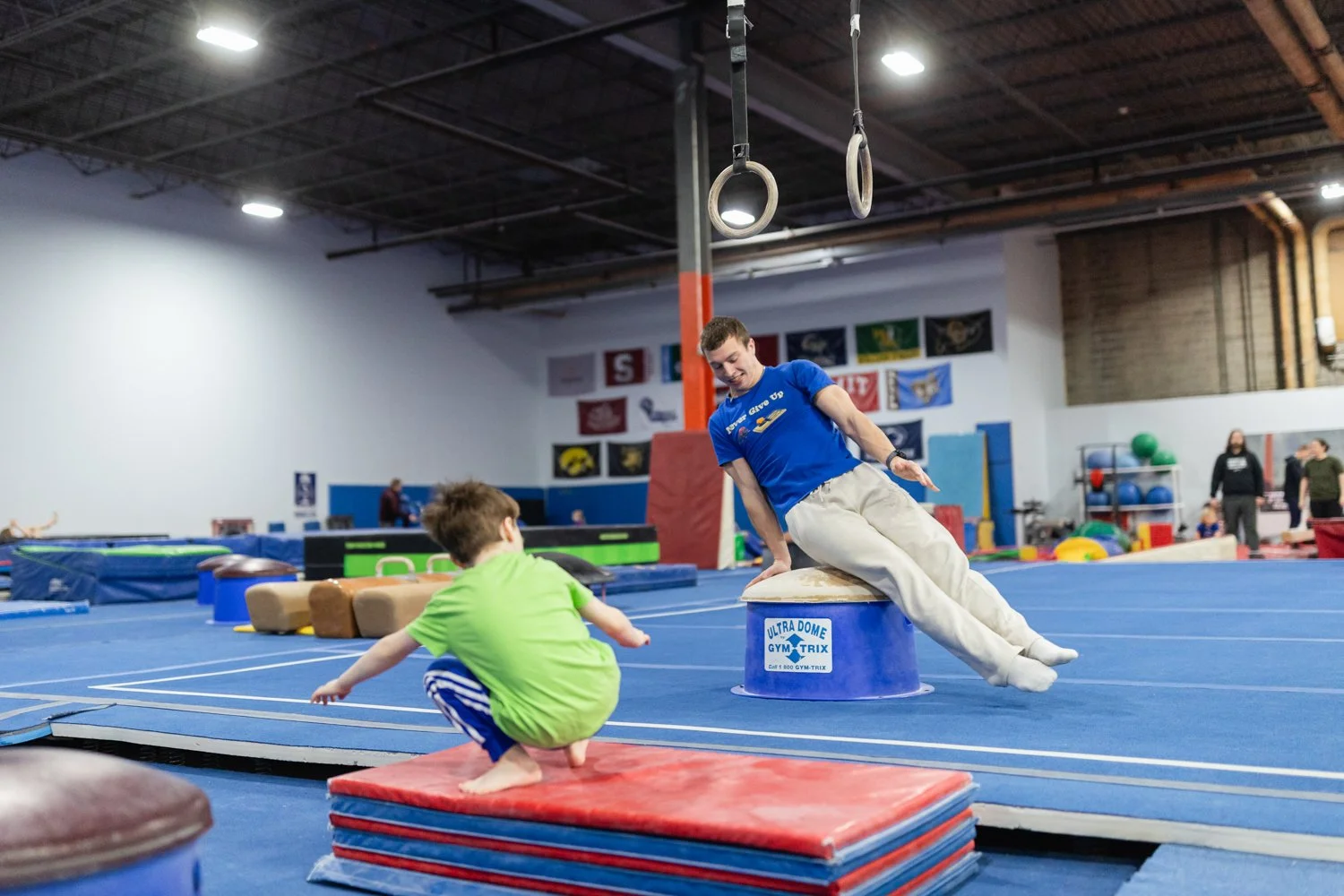
Gymnastics develops the physical and mental skills that athletes rely on everywhere else—strength, flexibility, balance, coordination, power, discipline, and confidence. Young athletes who start in gymnastics often progress faster when they transition into other sports because they’re already comfortable moving their bodies with control and purpose.
A Foundation for
All Sports
Benefit #1:
Strength & Power
Body Strength That Translates Everywhere
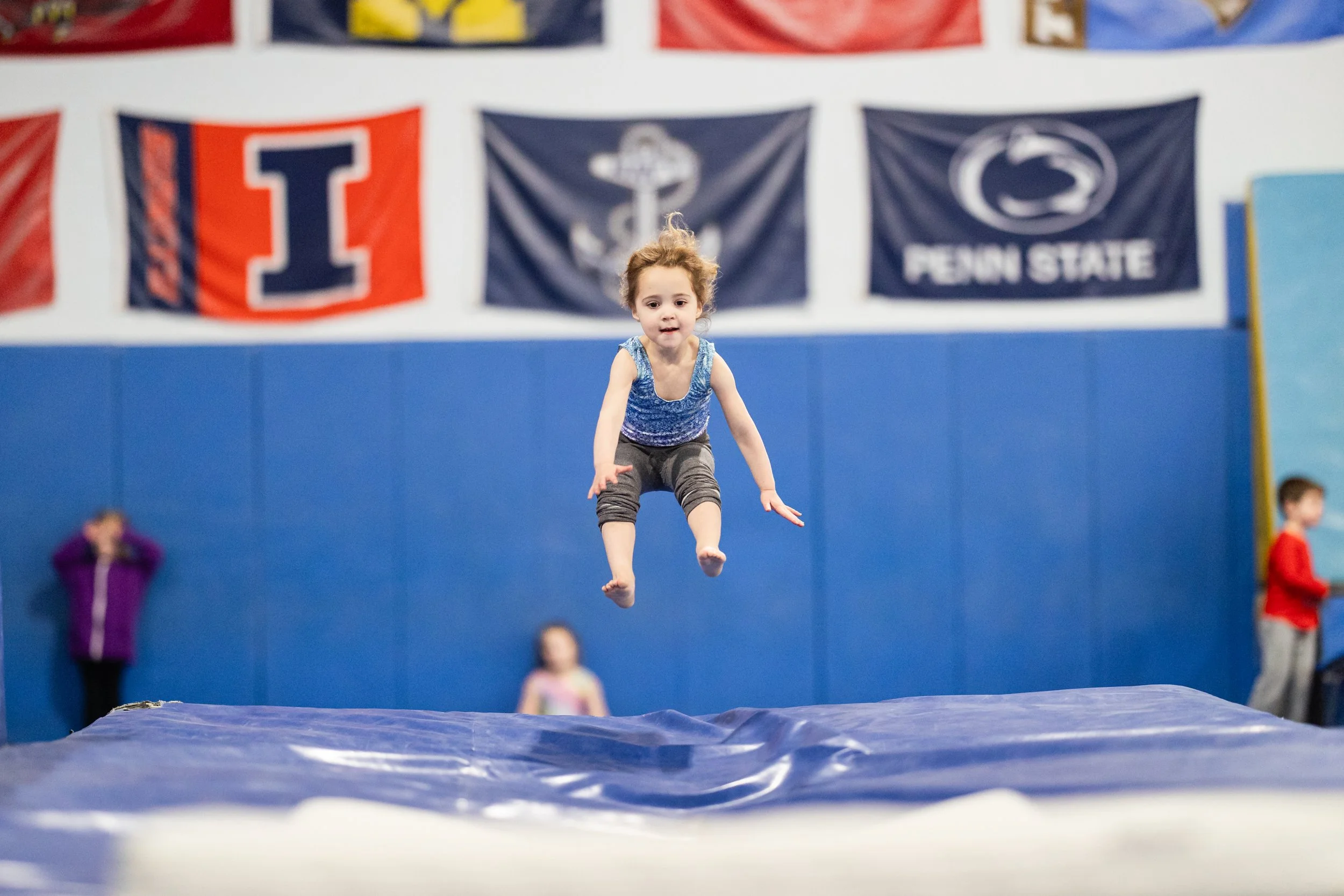
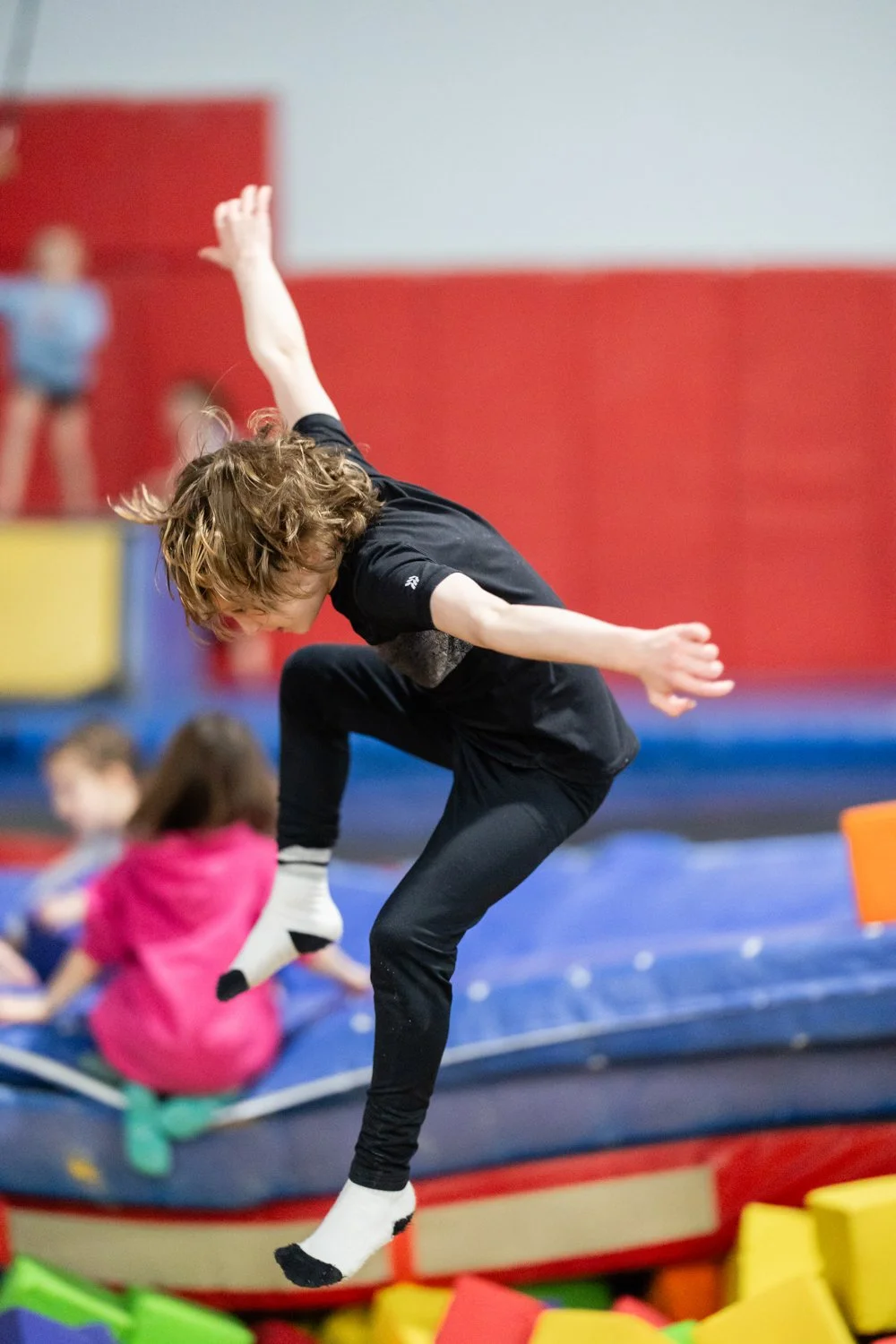
Gymnastics builds functional strength from head to toe. Athletes develop powerful legs, strong cores, stable shoulders, and excellent posture—key elements for success in sports like soccer, track, football, dance, and cheer.
Strong athletes move better, react quicker, and are less prone to injury.
Benefit #2:
Flexibility & Injury Prevention
Flexibility = Fewer Injuries
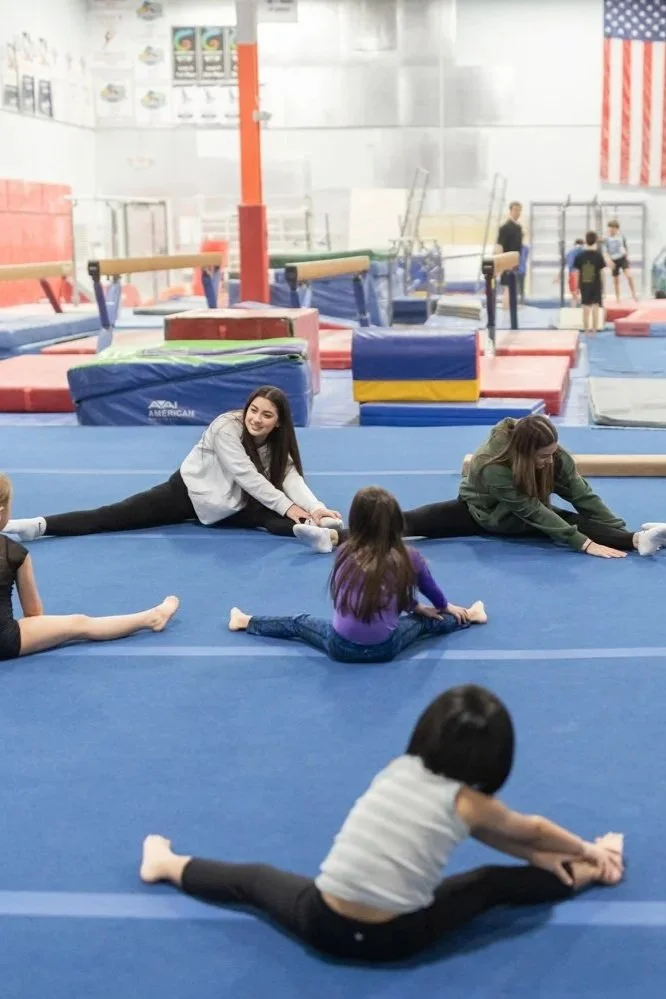
Flexible muscles and joints allow athletes to move freely and safely. Gymnastics training improves range of motion in the hips, shoulders, and spine—helping prevent common strains and sprains seen in running, field sports, and high-impact activities.
Benefit #3:
Balance, Coordination
& Agility
Better Body Control for Every Sport
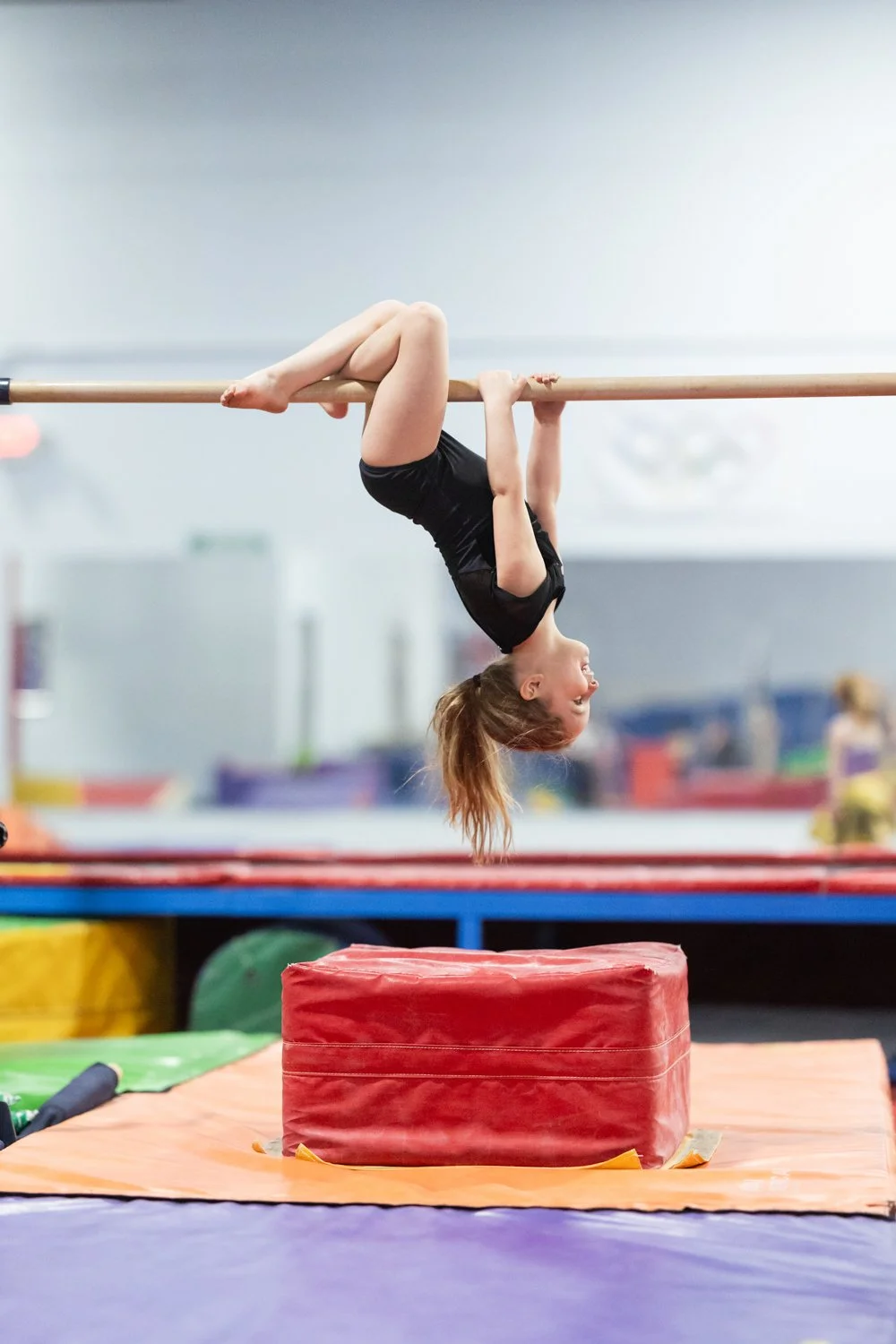
Beam, tumbling, vault, and trampoline all train athletes to control their bodies in space. This leads to:
quicker footwork
smoother directional changes
stronger reactions
improved timing
better agility
These skills give kids an advantage in basketball, soccer, baseball, dance, martial arts, and more.
Benefit #4:
Confidence & Focus
Mental Toughness Begins in the Gym
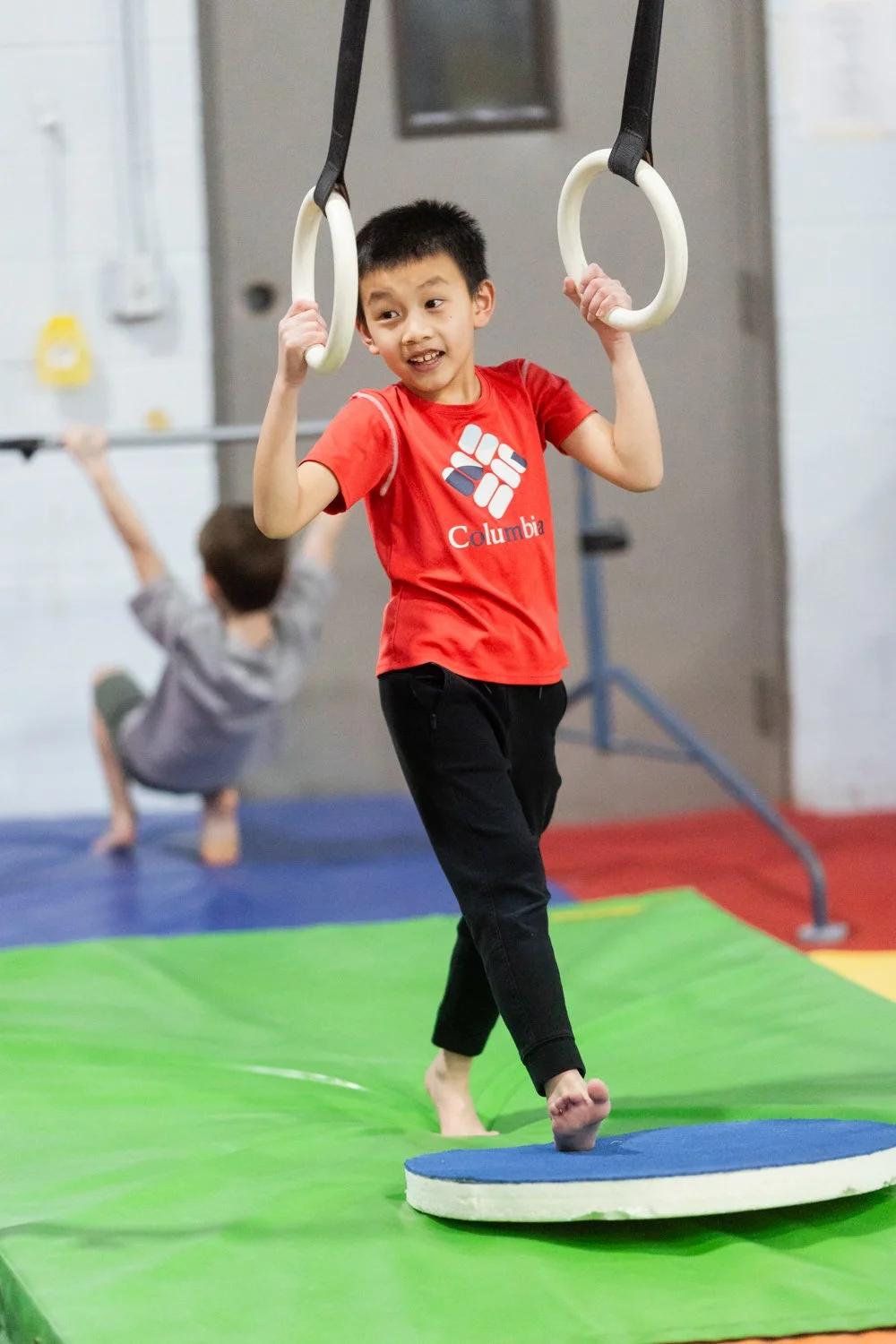
Gymnastics teaches kids how to focus, follow progressions, stay consistent, and manage nerves—abilities that carry over into every competitive setting. Athletes learn how to set goals, work through challenges, and celebrate small wins along the way.
Benfit #5:
Core Strength &
Body Awareness
A Strong Core Powers Every Movement
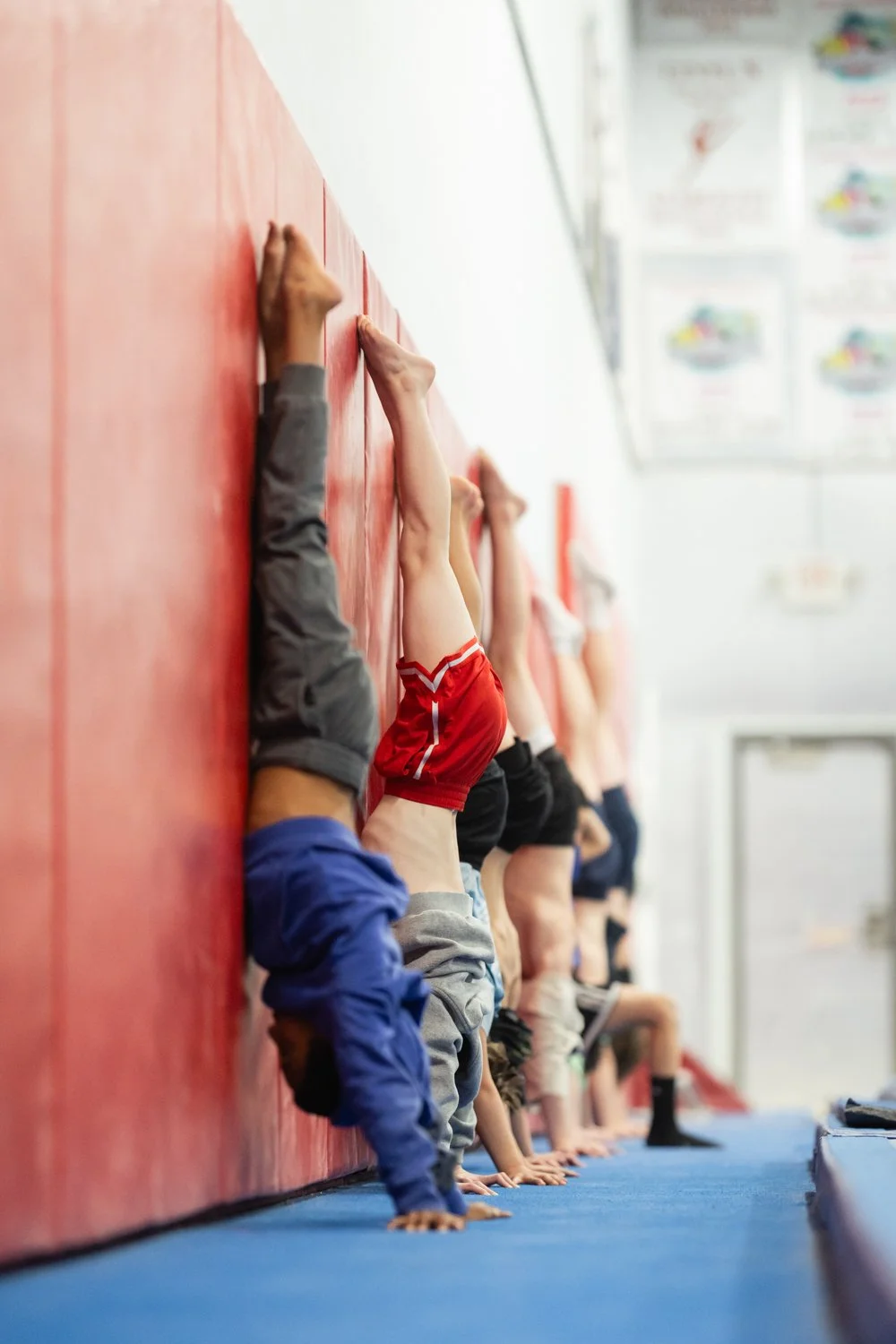
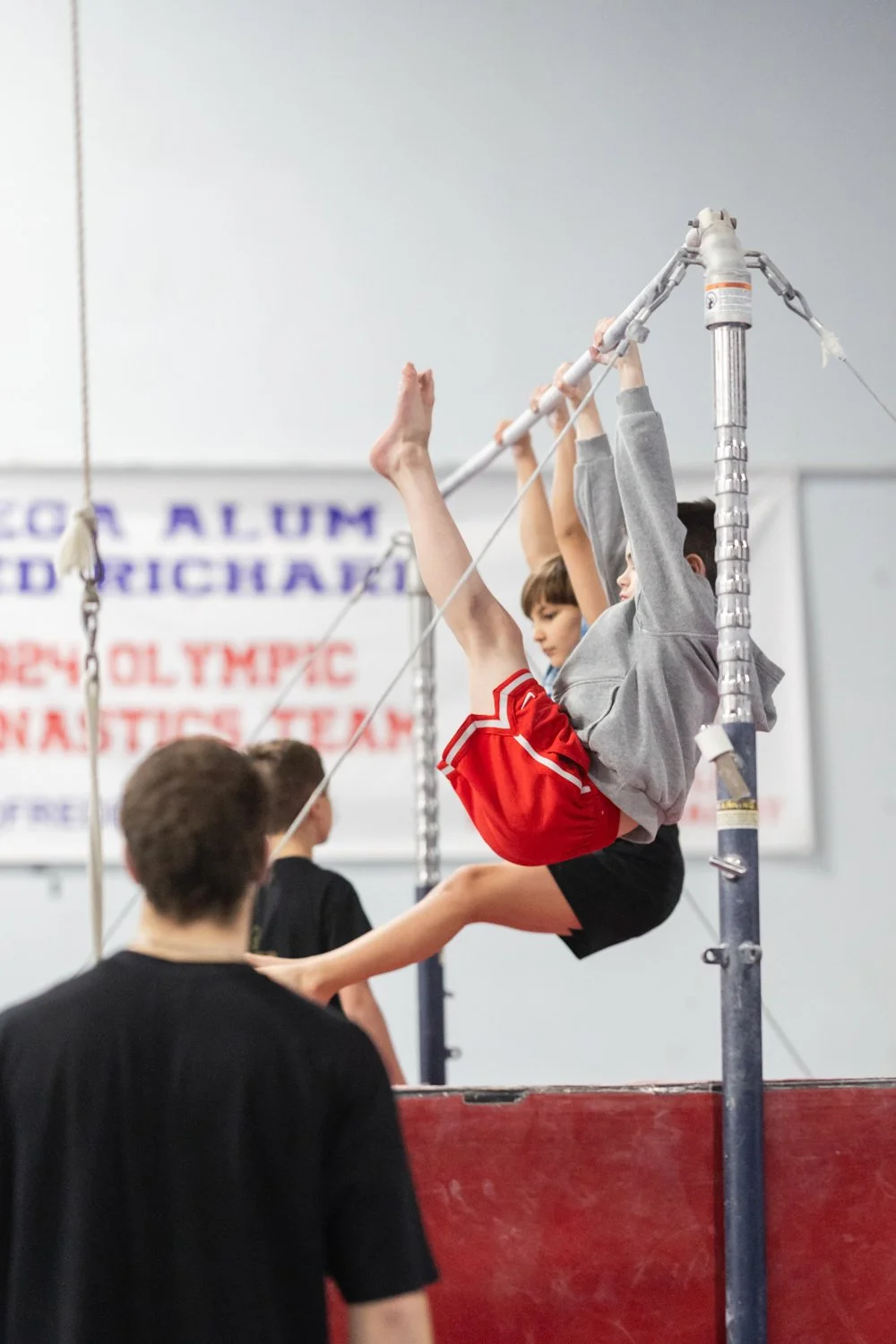
A gymnast’s core strength is unmatched. Training includes deep core muscles, back stabilizers, hips, and glutes—creating powerful, efficient movers who run faster, jump higher, and maintain excellent form in every sport.
Benefit #6:
Cross-Training for All Athletes
The Perfect Complement to Team Sports
Many families use gymnastics as a foundation before their children specialize in another sport. The strength, coordination, and confidence built in our gym give kids a head start whether they choose soccer, basketball, cheer, dance, baseball, lacrosse, track, or football.
Ready to Build a
Strong Foundation?
Give your child the skills they need to succeed—in gymnastics and every other sport they choose. MEGA offers classes for toddlers, preschoolers, recreational athletes, and competitive gymnasts.
FAQs
What Parents Ask Most About Gymnastics Training
-
Yes — absolutely.
Gymnastics builds strength, balance, flexibility, coordination, and body control, which are essential for every athletic activity. Kids who train in gymnastics often progress faster in sports like soccer, cheer, and dance because they already know how to move with stability, power, and confidence.Soccer: better agility, balance, endurance, and change-of-direction skills
Cheer: stronger tumbling, jumps, core control, and flexibility
Dance: improved turnout, balance, posture, flexibility, and spatial awareness
Gymnastics provides a foundation that supports success in nearly any sport they choose.
-
Yes — when taught correctly, gymnastics is one of the safest ways for children to develop strength and coordination.
At MEGA, all classes follow strict progressions so athletes learn skills step-by-step, with proper spotting, safe equipment setups, and coach supervision at all times. We focus heavily on:correct technique
age-appropriate progressions
strength and flexibility before skills
proper warm-ups
safety mats and equipment
The result is safer skill development, fewer injuries, and strong, confident movers both inside and outside the gym.
-
Kids can begin gymnastics as early as 18 months — and it’s never too late to start.
Our youngest programs focus on basic movement patterns like jumping, balancing, climbing, rolling, and coordination. These early skills create a strong foundation that supports more advanced sports later in life.Toddlers (18 months–3 years): movement, balance, social development
Preschool (3–5 years): coordination, strength, and early skill progressions
School-age (5+): strength, flexibility, technique, and confidence
Starting early helps, but children of any age can benefit from gymnastics training.
-
Yes — gymnastics is one of the best foundational sports for boys.
It builds strength, coordination, agility, balance, and body control in ways few other activities can. These skills translate directly into better performance in:football
baseball
soccer
basketball
parkour/ninja
martial arts
track and field
Gymnastics develops overall athleticism, making boys stronger, faster, and more confident movers in any sport they pursue.
-
Most children see great progress with one class per week, and even more improvement with two.
The ideal frequency depends on goals, age, and experience:1x/week: perfect for building strength, flexibility, and coordination
2x/week: best for faster skill development and preparing for other sports
3x/week: recommended for competitive track or athletes seeking more advanced skills
Consistent attendance—especially over months and years—makes the biggest difference in strength, confidence, and body awareness.